
Introduction
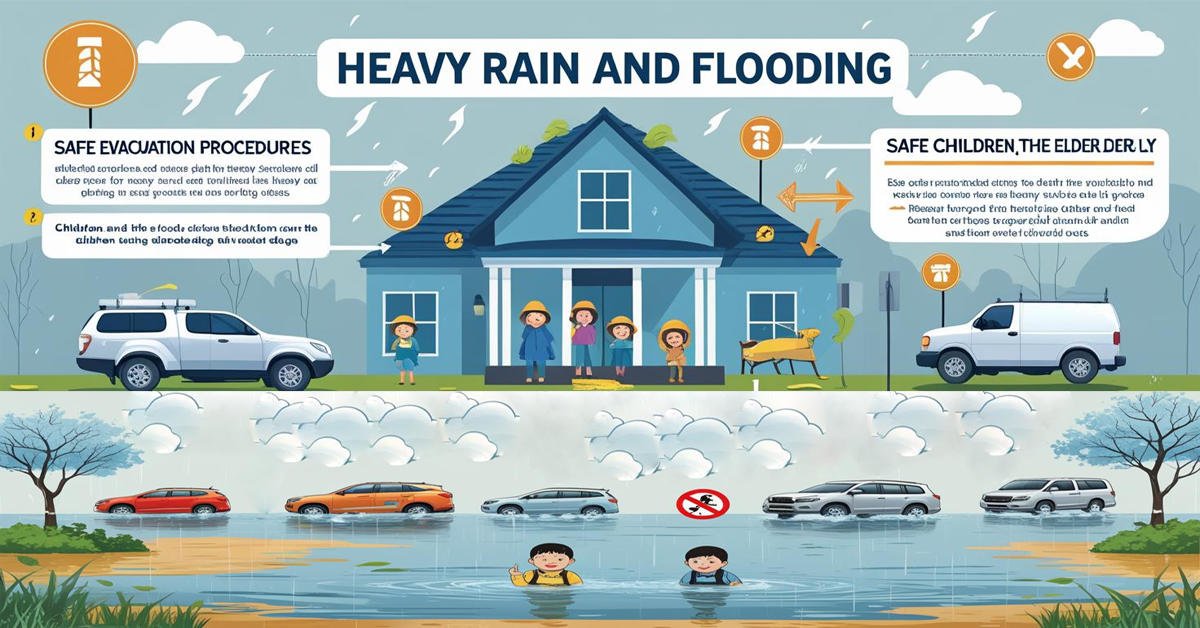
Heavy raining and flooding are among the most devastating natural disasters, causing loss of life, property damage and long-term economic impacts. In such emergencies, vulnerable groups like children, babies and the elderly are at higher risk. Additionally, vehicles can become death traps if not handled properly. This article provides a comprehensive guide on how to save lives and minimize damage during heavy rains and floods with special attention to children the elderly and vehicles.
Table of Contents
1. Understanding the Risks of heavy raining and Flooding
Before discussing safety measures it’s crucial to understand the dangers of flooding:
- Rapidly Rising Water: Flash floods can occur within minutes trapping people indoors or in vehicles.
- Strong Currents: Just six inches of moving water can knock a person down while two feet can sweep away cars.
- Contaminated Water: Floodwater often carries sewage, chemicals and debris, posing health risks.
- Electrocution Hazards: Downed power lines and submerged electrical outlets can be deadly.
- Hypothermia: Prolonged exposure to cold floodwater can lead to life-threatening conditions.
Knowing these risks helps in preparing and responding effectively.

2. Protecting Children and Babies During Floods
Children, especially infants require special care during floods due to their vulnerability.
A. Before the Flood
1. Emergency Kits for Babies:
- Stock diapers, baby food, formula, bottled water and medications.
- Keep waterproof bags for essential supplies.
- Include warm clothing and blankets.
2. Teach Older Children Flood Safety:
- Educate them on avoiding floodwaters and following evacuation routes.
- Practice emergency drills at home.
3. Identify Safe Zones:
Know the highest points in your home where children can be moved quickly.
B. During the Flood
1. Never Let Children Play in Floodwater:
Contaminated water can cause infections and hidden debris can injure them.
2. Use Floating Devices for Babies:.
If evacuation is necessary, secure infants in life jackets or floating carriers.
3. Keep Them Warm and Dry:
Wet clothing can lead to hypothermia change into dry clothes immediately.
C. After the Flood
1. Check for Injuries:
- Look for cuts, infections, or signs of distress in children.
- Seek medical help if needed.
2. Ensure Safe Drinking Water:
Boil water or use bottled water to prevent waterborne diseases.
3. Provide Emotional Support:
Children may experience trauma; reassure them and maintain routines.
3. Safeguarding the Elderly During Floods
Older adults face higher risks due to mobility issues, chronic illnesses and slower reaction times.
A. Pre-Flood Preparations
1. Create an Emergency Plan:
- Ensure they have a support network (family, neighbours or community help).
- Keep a list of medications and medical conditions handy.
2. Accessible Evacuation Routes:
If they use wheelchairs or walkers, identify barrier-free exits
3. Emergency Power Backup:
Oxygen machines or medical devices may need generators or backup batteries.
B. During the Flood
1. Avoid Staircases and Risky Movements:
Slippery surfaces increase fall risks assist them carefully.
2. Keep Communication Devices Charged:
A charged phone or whistle can help them call for help.
3. Warmth and Hydration:
Older adults are prone to hypothermia provide warm clothing and fluids.
C. Post-Flood Recovery
- Monitor Health Closely:
- Flood stress can worsen heart conditions or diabetes.
- Ensure they take prescribed medications.
- Sanitize Living Spaces:
- Mold and bacteria can cause respiratory issues clean thoroughly.
- Community Support Systems:
- Local authorities or NGOs may provide aid for elderly flood victims.
4. Vehicle Safety During Heavy Rains and Floods
Many flood-related deaths occur when vehicles are swept away. Proper precautions can save lives.
A. Before Driving in Heavy Rain
- Check Weather Alerts:
- Avoid travel if flash floods are predicted.
- Inspect Your Vehicle:
- Ensure brakes, tires and wipers are functional.
- Keep the fuel tank at least half full.
- Pack an Emergency Car Kit:
- Include a flashlight first-aid supplies water and a window breaker.
B. If Caught in a Flood While Driving
- Do Not Drive Through Flooded Roads:
- “Turn Around, Don’t Drown!” – Just 12 inches of water can float a car.
- If Water Starts Rising Around Your Car:
- Abandon the vehicle if safe and move to higher ground.
- Do not wait until water enters the car.
- Motorcycle and bicycle safety
- Do not ride a motorcycle during floods as water can damage the engine.
- Avoid flowing water when riding a bicycle.
- Escaping a Submerged Vehicle:
- Roll down windows immediately (electric windows may fail).
- Use a seatbelt cutter or window breaker if needed.
C. After a Vehicle Flood Incident
- Do Not Start a Flooded Engine:
- Water in the engine can cause irreparable damage.
- Document Damage for Insurance:
- Take photos before cleaning or repairs.
- Get a Professional Inspection:
- Electrical and mechanical systems must be checked before reuse.
5. Community and Government Role in Flood Preparedness
Individual efforts are crucial but systemic support enhances flood resilience.
- Early Warning Systems:
- Governments should improve weather forecasting and SMS alerts.
- Flood-Resistant Infrastructure:
- Better drainage systems, elevated roads and flood barriers reduce risks.
- Community Drills and Education:
- Schools and local bodies should conduct regular flood response training.
- Rescue and Relief Operations:
- Swift deployment of emergency teams saves lives during disasters.
- Heavy rains and floods are unpredictable but preparedness can mitigate their impact. Protecting children the elderly and vehicles requires planning, awareness and quick action. By following these guidelines families and communities can reduce risks and save lives during flooding emergencies.
Key Takeaways:
✅ Children & Babies: Keep emergency kits avoid floodwater and provide emotional support.
✅ Elderly: Ensure mobility assistance, medical preparedness and post-flood care.
✅ Vehicles: Never drive through floods escape quickly if trapped.
✅ Community Action: Advocate for better flood management policies.
Stay alert, stay prepared and prioritize safety during heavy rains and floods!
contact in after Heavy Raining, Flooding, earthquake and firing help center near you.
Contact Here :-
For,


[…] यहाँ सम्पर्क गर्नुहोस्:- […]
[…] Would you like additional details on any of these points? Stay safe! […]