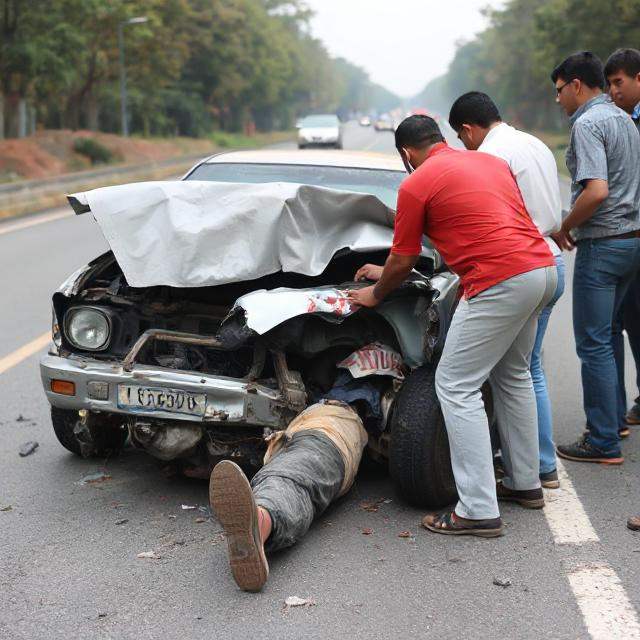
Motor vehicle collisions are a regrettable aspect of contemporary living, leading to harm loss of life and substantial economic damages annually. Whether stemming from human mistakes mechanical breakdowns or unfavorable weather conditions these accidents can result in catastrophic outcomes. Grasping the legal dimensions of car accidents is vital for safeguarding your rights and securing just compensation. This piece delves into the frequent triggers of vehicular mishaps their repercussions and crucial legal guidance for those affected.
Table of Contents
Common Causes of Car Accidents
Distracted Driving
Using mobile phones, eating or adjusting the radio diverts attention from the road.
Speeding
Exceeding speed limits reduces reaction time and increases crash severity.

Drunk Driving
Alcohol impairs judgment, coordination and reaction time.
Reckless Driving
Aggressive behaviors like tailgating and sudden lane changes lead to collisions.
Poor Weather Conditions
Rain, snow and fog reduce visibility and road traction.
Running Red Lights & Stop Signs
Disobeying traffic signals causes intersection crashes.
Fatigue
Drowsy driving slows reflexes and decision-making abilities.
Vehicle Defects
Faulty brakes, tires or steering systems can cause accidents.
Consequences of Car Accidents
1. Physical Injuries
Whiplash, fractures, spinal injuries and traumatic brain injuries (TBI) are common. Severe accidents may lead to permanent disability or death.
2. Emotional Trauma
Victims often suffer from PTSD, anxiety and depression.
3. Financial Losses
Medical bills, vehicle repairs and lost wages create financial strain.
Long-term treatment costs can be overwhelming.
4. Legal Consequences
At-fault drivers may face lawsuits, fines or criminal charges (e.g., DUI cases).
Legal Advice for Car Accident Victims
If you’ve been involved in a car accident taking the right legal steps can protect your rights and improve your chances of fair compensation. Below are key legal considerations:
1. Seek Medical Attention Immediately
Even if injuries seem minor some symptoms (like internal bleeding or concussions) appear later.
Medical records serve as crucial evidence in insurance claims or lawsuits.
2. Report the Accident to the Police
A police report provides an official account of the incident which is vital for legal and insurance purposes.
Never leave the scene without filing a report as it may be considered a hit-and-run.

3. Gather Evidence at the Scene
Take photos of vehicle damage, road conditions, traffic signs and injuries.
Collect witness statements and contact details.
Note the other driver’s license, insurance and vehicle information.
4. Do Not Admit Fault
Even saying I’m sorry can be used against you in court.
Let insurance companies and investigators determine liability.
5. Notify Your Insurance Company Promptly
Most policies require immediate reporting of accidents.
Provide factual information but avoid speculative statements.
6. Consult a Car Accident Lawyer
An experienced attorney can:
Evaluate your case for maximum compensation.
Negotiate with insurance companies (who often lowball settlements).
Represent you in court if a fair settlement isn’t reached.
7. Understand Your State’s Laws
Fault vs. No-Fault States:
In fault states the at-fault driver’s insurance covers damages.
In no-fault states each driver’s own insurance pays for their injuries (regardless of fault).
Statute of Limitations: The deadline to file a lawsuit varies by state (typically 1-3 years).
8. Keep Detailed Records
Save all medical bills repair receipts and proof of lost income.
Maintain a journal documenting pain levels, treatments and emotional distress.
9. Be Cautious with Early Settlement Offers
Insurance companies may offer quick payouts to avoid larger claims.
Once you accept a settlement you usually cannot ask for more money later.
10. Consider All Types of Compensation
You may be entitled to:
Economic Damages: Medical bills lost wages property damage.
Non-Economic Damages: Pain and suffering emotional distress.
Punitive Damages (in extreme cases): Additional fines for gross negligence (e.g., drunk driving).

What If You’re at Fault?
If you caused the accident:
Cooperate with law enforcement but avoid self-incrimination.
Notify your insurer they will handle third-party claims.
Consider legal counsel if facing serious charges (e.g., DUI or vehicular manslaughter).
Below are further crucial legal aspects to keep in mind post-car collision, building upon the earlier suggestions for an enriched guide:
Additional Legal Advice for Car Accident Victims
11. Preserve All Evidence
Do not repair your vehicle immediately insurance adjusters may need to inspect it.
Save damaged personal items (e.g. phones, clothing) as proof of impact severity.
Retain copies of all correspondence with insurance companies, doctors and lawyers.
12. Be Wary of Recorded Statements
Insurance adjusters may request a recorded statement consult a lawyer first.
They may twist your words to minimize your claim.
13. Know What to Do If the Other Driver Is Uninsured/Underinsured
If the at-fault driver has no insurance (or insufficient coverage) your options include:
Filing a claim under your Uninsured/Underinsured Motorist (UM/UIM) coverage (if you have it).
Pursuing a personal injury lawsuit against the driver (if they have assets).
14. Avoid Social Media Posts About the Accident
Insurance companies and defense lawyers may monitor your accounts.
Posts like I’m fine or vacation photos can be used to dispute injury claims.
15. Understand Comparative Negligence Rules
Some states follow comparative negligence, meaning your compensation may be reduced if you’re partially at fault.
Example: If you’re found 20% responsible your payout decreases by 20%.
In contributory negligence states (e.g., Virginia), being even 1% at fault can bar recovery.
16. Consider Future Damages in Your Claim
Chronic pain, ongoing therapy or lost future earnings should be factored into settlements.
An attorney can help calculate long-term costs with medical and financial experts.
17. Be Prepared for a Possible Lawsuit
If negotiations fail your car accident case may go to trial.
A lawyer can help with:
Filing the complaint within the statute of limitations.
Discovery phase (exchanging evidence, depositions).
Settlement talks before or during trial.
18. Know When to Accept a Settlement vs. Going to Court
Settlements are faster and less risky but may offer lower compensation.
Trials can result in higher payouts but are lengthy and uncertain.
19. Special Considerations for Rideshare & Commercial Vehicle Accidents
If a Uber, Lyft, or truck driver caused the accident:
Their company’s insurance may apply (often higher limits than personal policies).
Liability investigations are more complex legal help is crucial.

20. Government Liability in Some Accidents
If poor road design (e.g., missing guardrails, faulty traffic lights) contributed:
You may sue a city or state agency, but strict notice deadlines apply (sometimes as short as 30 days).
Steps to Take If the Insurance Company Denies Your Claim
Review the denial letter for the stated reason.
Appeal with additional evidence (e.g., expert testimony, new medical reports).
File a complaint with your state’s insurance commissioner.
Consult a lawyer about a bad faith insurance lawsuit.
Final Thoughts
Car accident claims involve intricate legal and insurance processes. Every decision from speaking with adjusters to signing settlements can impact your recovery. By understanding these key points and seeking professional legal guidance you can safeguard your rights and maximize compensation.
Most Important Legal Advice After a Car Accident
If you’re involved in a car accident the single most critical step is to protect your legal rights immediately because insurance companies and opposing parties will try to minimize your claim. Here’s the #1 priority:
1. Do NOT Admit Fault or Discuss the Accident Publicly
Why? Anything you say can be used against you later.
What to do instead?
At the scene: Exchange insurance info but never say “I’m sorry” or “It was my fault.”
To insurance companies: Stick to facts only let a lawyer handle negotiation.
On social media: Avoid posting about the crash or your injuries (insurers monitor accounts).
2. Call the Police & Get a Report (Even for Minor Accidents)
Why? A police report is key evidence for insurance and court.
What if police don’t come? File an incident report at the station or online.
3. Seek Medical Attention Right Away
Why? Delayed treatment hurts your health and your claim.
What to do?
Visit a doctor even if you feel fine (some injuries appear later).
Keep all medical records—they prove your injuries were accident-related.
4. Gather Evidence Immediately
Photos/Videos: Damage, injuries, road conditions, traffic signs.
Witnesses: Get names & contact info (their statements can win your case).
Dashcam footage: If available save it before it’s overwritten.
5. Never Accept the First Settlement Offer
Why? Insurers lowball victims hoping they’ll take quick cash.
What to do?
Let a lawyer review the offer most cases settle for 3-5x more than the first offer.
6. Talk to a Car Accident Lawyer Before Signing Anything
why?
Lawyers know hidden compensation you may qualify for (e.g., future medical costs, lost wages).
They handle insurance tricks (like recorded statements used against you).
when?
When? ASAP before giving statements or signing releases.
Bonus: 3 Things to Avoid After an Accident
❌ Don’t post about the crash on social media (even a “I’m okay” post can hurt your case).
❌ Don’t delay medical care (insurers argue gaps in treatment mean injuries weren’t serious).
❌ Don’t ignore the statute of limitations (you could lose your right to sue).
Final Word
The most important advice is simple: Stay silent, document everything, and consult a lawyer before making decisions. A single mistake (like admitting fault or signing a bad settlement) can cost you thousands or even your entire case.
Need help? Most car accident lawyers offer free consultations take advantage before time runs out.