
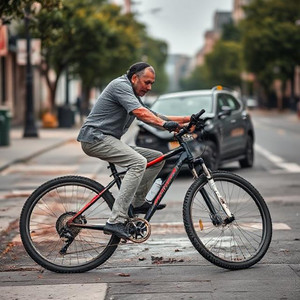
Bicycle collisions represent a prevalent but grave concern globally, resulting in injuries that can vary from slight scrapes to critical health situations. Whether you’re a routine traveler or a sporadic cyclist, grasping the factors that contribute to bike incidents, essential first aid, healthcare treatment, and recovery procedures can be lifesaving.
This article offers a comprehensive manual on handling bike accidents, featuring:
- Common Causes of Bike Accidents
- Immediate Steps After a Bike Accident
- First Aid for Bike Accident Victims
- Medical Treatment and Recovery Process
- Preventing Bike Accidents in the Future
Table of Contents
1. Common Causes of Bike Accidents
Understanding why bike accidents happen can help riders stay cautious. Some major causes include:

A. Reckless Driving
- Speeding
- Sudden lane changes
- Ignoring traffic signals
B. Poor Road Conditions
- Potholes
- Wet or slippery roads
- Uneven surfaces
C. Mechanical Failures
- Brake failure
- Tire bursts
- Engine malfunctions
D. Distracted Riding
- Using mobile phones
- Not wearing helmets
- Riding under the influence of alcohol
E. Environmental Factors
- Low visibility (fog, rain, night riding)
- Stray animals or pedestrians crossing suddenly
2. Immediate Steps After a Bike Accident
If you witness or are involved in a bike accident, taking the right steps can prevent further harm.
A. Ensure Safety First
- Move the victim away from traffic to avoid secondary collisions.
- Turn off the bike’s engine to prevent fire hazards.
B. Check for Consciousness
- Gently tap the victim and ask if they are okay.
- If unresponsive, check for breathing and pulse.
C. Call Emergency Services
- Dial emergency numbers (e.g. Call local ambulance services).
- Provide clear details about the accident location and injuries.
D. Do Not Move the Victim Unnecessarily
If a spinal or neck injury is suspected, avoid moving the victim unless absolutely necessary.1
3. First Aid for Bike Accident Victims
Before professional medical help arrives providing first aid can be lifesaving.
A. For Minor Injuries (Cuts, Scratches, Bruises)
- Clean the wound with antiseptic or clean water.
- Apply pressure with a sterile cloth to stop bleeding.
- Use bandages or gauze to cover the wound.
B. For Fractures or Broken Bones
- Immobilize the injured limb using a splint or stiff object.
- Avoid trying to realign the bone.
- Apply ice packs to reduce swelling.
C. For Head Injuries
- If the victim is wearing a helmet do not remove it unless necessary.
- Keep the head and neck stable to prevent spinal damage.
- Look for signs of concussion (dizziness, vomiting, confusion).
D. For Severe Bleeding
- Use a tourniquet (if trained) or apply direct pressure.
- Elevate the injured area if possible.
E. If the Victim is Unconscious but Breathing
- Place them in the recovery position (on their side).
- Ensure the airway is clear.
F. If the Victim is Not Breathing (CPR Required)
- Begin chest compressions (30 compressions followed by 2 rescue breaths).
- Continue until medical help arrives.

4. Medical Treatment and Recovery Process
After initial first aid, professional medical treatment is crucial.
A. Hospital Treatment
- Diagnosis: Doctors may perform X-rays, CT scans or MRIs to assess injuries.
- Wound Care: Deep cuts may require stitches or surgery.
- Fracture Treatment: Broken bones may need casting or surgical fixation.
- Head Injury Management: Severe cases may require neurological monitoring.
B. Pain Management
- Doctors may prescribe painkillers or anti-inflammatory medications.
- Physical therapy may be recommended for muscle and joint recovery.
C. Psychological Support
- Accident trauma can lead to anxiety or PTSD.
- Counselling or therapy may help victims cope.
D. Long-Term Recovery Tips
- Follow doctor’s advice on rest and rehabilitation.
- Gradually return to physical activities.
- Attend follow-up medical check-ups.
5. Preventing Bike Accidents in the Future
Prevention is always better than cure. Follow these safety measures:
A. Wear Protective Gear
- Helmet (must be ISI or DOT certified)
- Knee and elbow pads
- Reflective jackets for night riding
B. Follow Traffic Rules
- Obey speed limits.
- Use indicators while turning.
- Avoid zigzag riding.
C. Regular Bike Maintenance
- Check brakes, tires and lights before riding.
- Service the bike periodically.
D. Stay Alert and Avoid Distractions
- No mobile phone use while riding.
- Avoid riding under the influence of alcohol.
E. Ride Defensively
- Assume other drivers may not see you.
- Maintain safe distance from vehicles.
6. Legal Steps After a Bike Accident
A. Reporting the Accident
- File an FIR (First Information Report) if required.
- Inform insurance companies if the bike is insured.
B. Gathering Evidence
- Take photos of the accident scene, injuries and vehicle damage.
- Collect witness statements if possible.
C. Insurance Claims
- Understand medical and vehicle insurance coverage.
- Submit necessary documents (medical bills, police report, repair estimates).
7. Common Injuries from Bike Accidents & Their Treatments
A. Road Rash (Abrasion Injuries)
Clean with antiseptic, apply antibiotic ointment and cover with a non-stick bandage.
B. Fractures (Arm, Leg, Collarbone, Ribs)
Immobilize the limb, avoid movement and seek X-rays for proper alignment.
C. Concussion & Traumatic Brain Injury (TBI)
Monitor for headaches, dizziness, or memory loss; seek neurological evaluation.
D. Spinal Cord Injuries
Immediate immobilization: surgery may be needed in severe cases.
E. Internal Bleeding & Organ Damage
Symptoms: Severe abdominal pain, dizziness, pale skin requires emergency care.
F. Psychological Trauma (PTSD, Anxiety, Depression)
Therapy and counselling may be necessary for emotional recovery.
8. Rehabilitation & Long-Term Care
A. Physiotherapy for Mobility Recovery
- Exercises to regain strength and flexibility.
- Assistive devices (crutches, braces) if needed.
B. Occupational Therapy
Helps victims adapt to daily activities post-injury.
C. Nutritional Support for Healing
High-protein diet, vitamins (especially Vitamin D & Calcium for bone healing).
D. Follow-Up Medical Visits
Regular check-ups to monitor recovery progress.
9. How to Help a Bike Accident Victim Emotionally
A. Be Supportive & Patient
Avoid blaming; offer reassurance.
B. Encourage Professional Help
Therapy or support groups for trauma.
C. Gradual Reintroduction to Riding
Start with short, low-traffic rides to rebuild confidence.
10. Government & NGO Initiatives for Bike Safety
A. Awareness Campaigns
Helmet laws, safe riding workshops.
B. Road Safety Improvements
Better street lighting, bike lanes and pothole repairs.
C. Free Helmet Distribution Programs
NGOs and government schemes promoting safety gear.
Best advise for yourself if bike accident.
Immediate Treatment Rules are here
Final Tips for Bike Riders
- Always wear a helmet.
- Avoid speeding and rash driving.
- Stay visible (use reflectors at night).
- Learn basic first aid for emergencies.


